The use of worksheets can be a essential resource for enhancing learning and output. If I’m instructing, studying, or arranging content, I find that they give organization and clarity. They simplify complicated matters into more digestible segments, making it easier for me to grasp new concepts. When I’m educating, worksheets act as a roadmap, allowing me to confirm that my pupils grasp the content. I can tailor them to suit the specific needs of my lessons, focusing on areas where my students may need extra practice.
alliteration examples worksheets
As a pupil, I use worksheets to solidify what I’ve acquired. They give a hands-on method, allowing me to apply information and check my comprehension. I notice that when I interact with the material through a worksheet, the details stays with me more. It also helps me pinpoint gaps in my learning so I can direct my learning more effectively.
alliteration examples worksheets
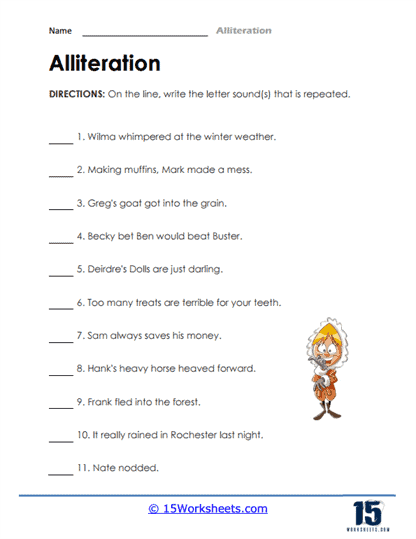 source = 15worksheets.com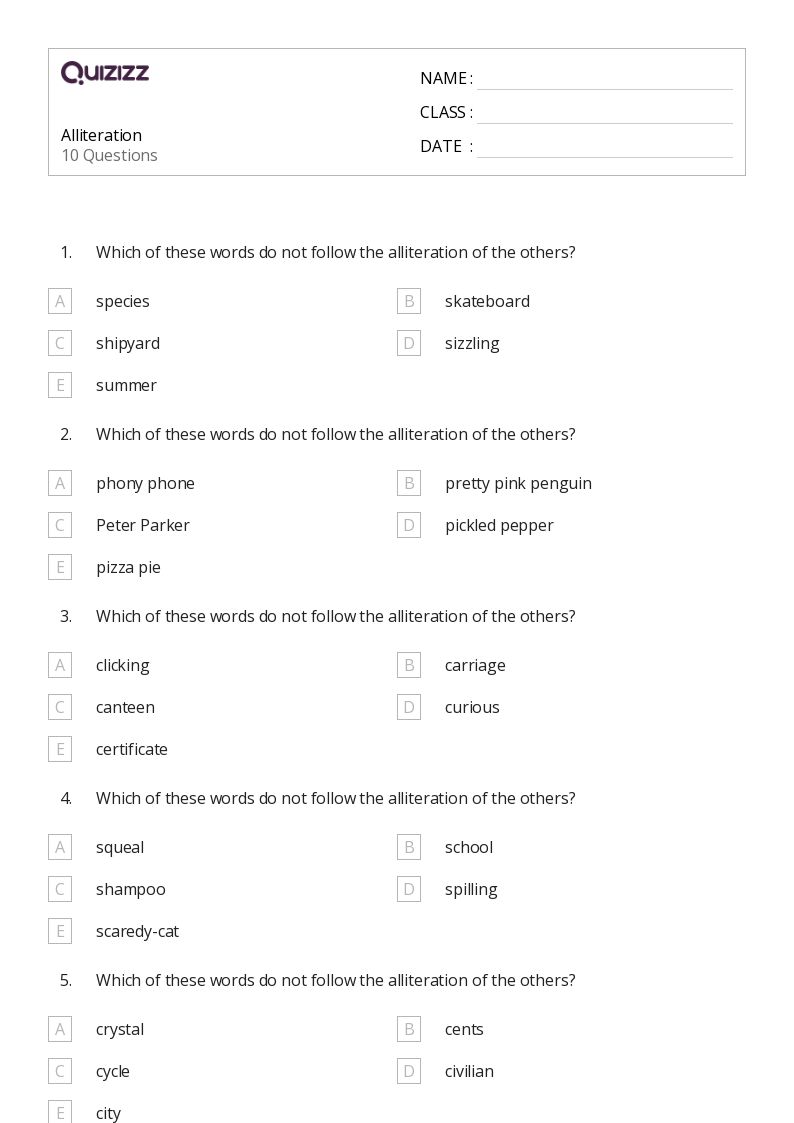
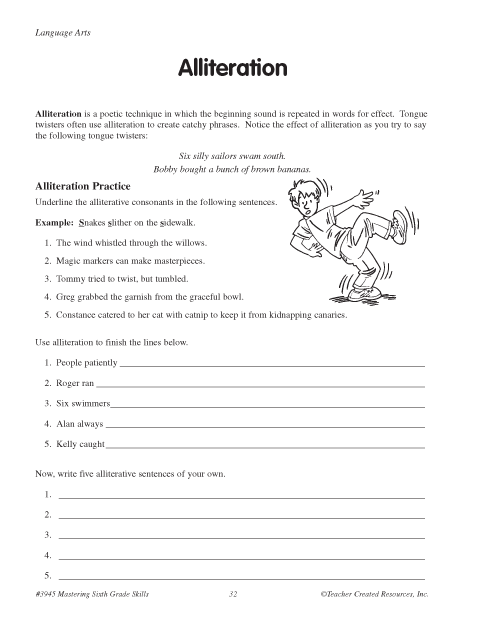 source = mavink.com
 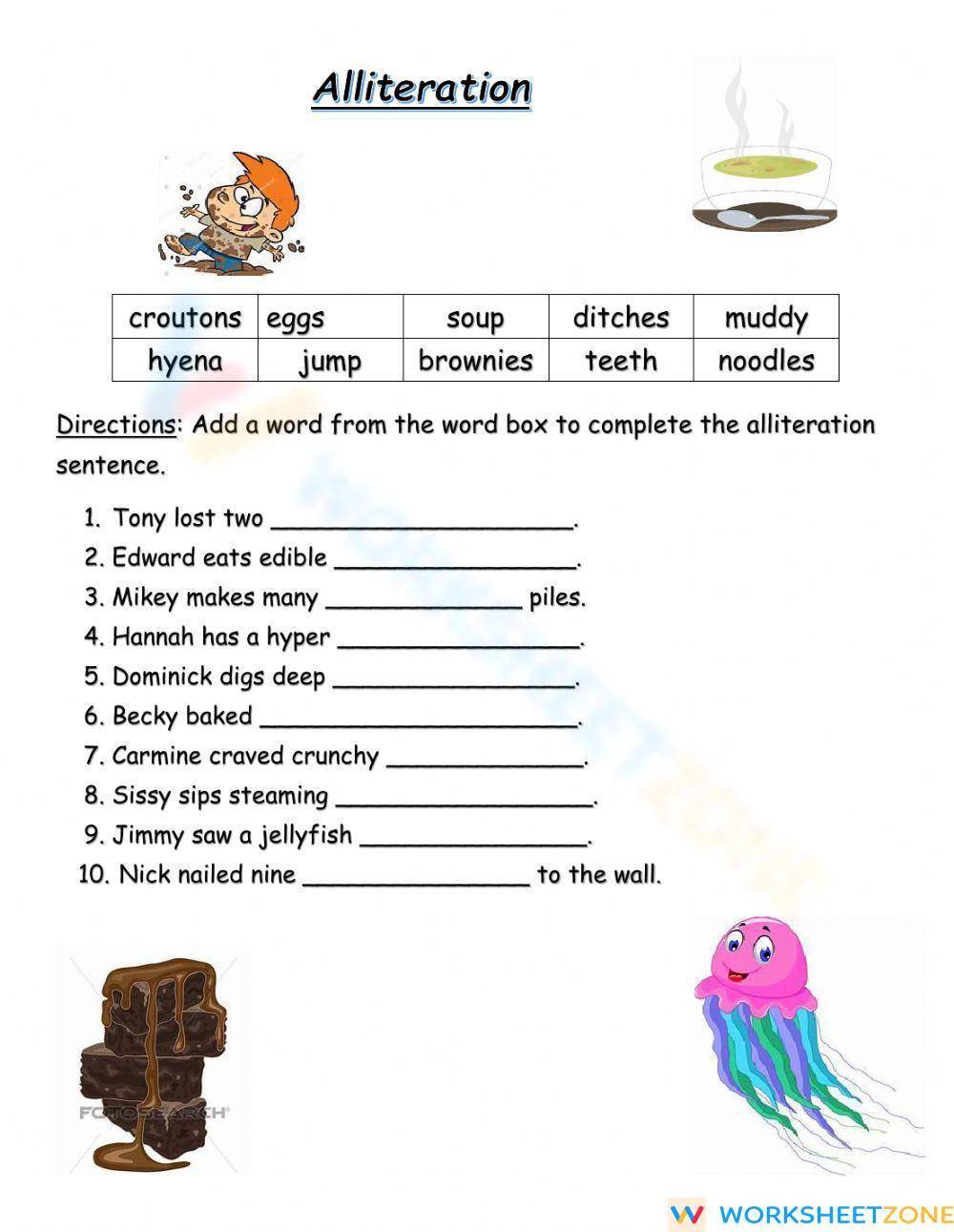 source = worksheetzone.org
 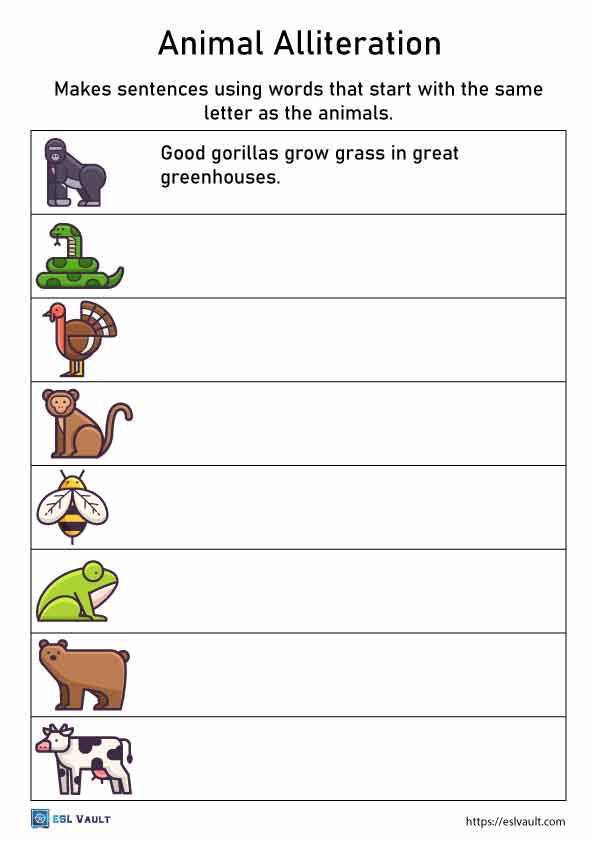 source = eslvault.com
 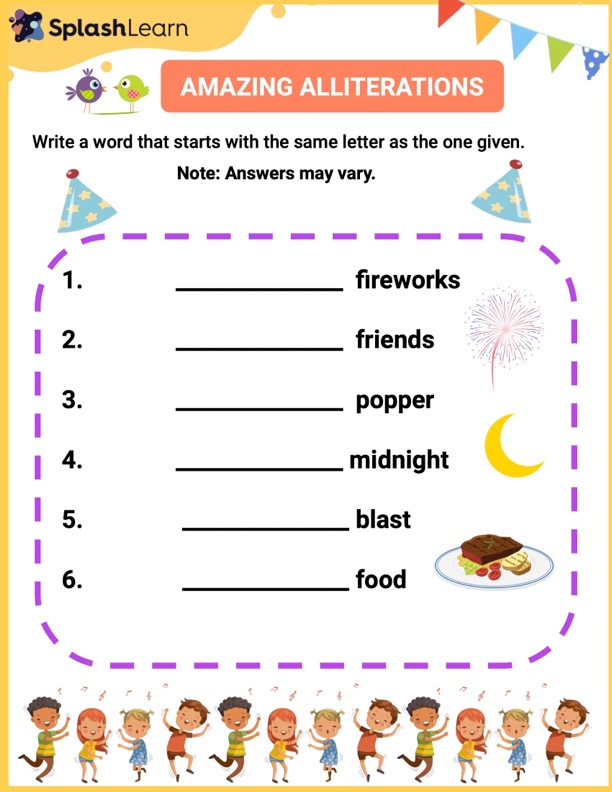 source = worksheets.clipart-library.com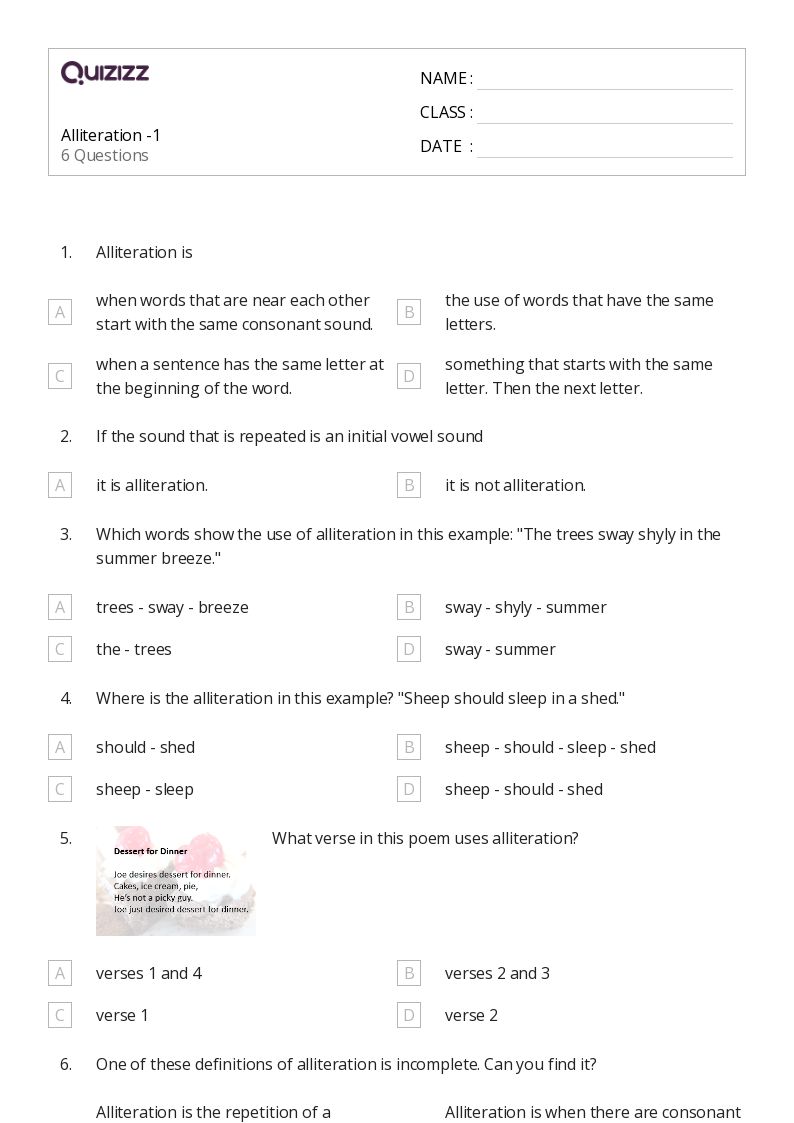
 source = askworksheet.com
  source = music-is-my-weakness.blogspot.com
 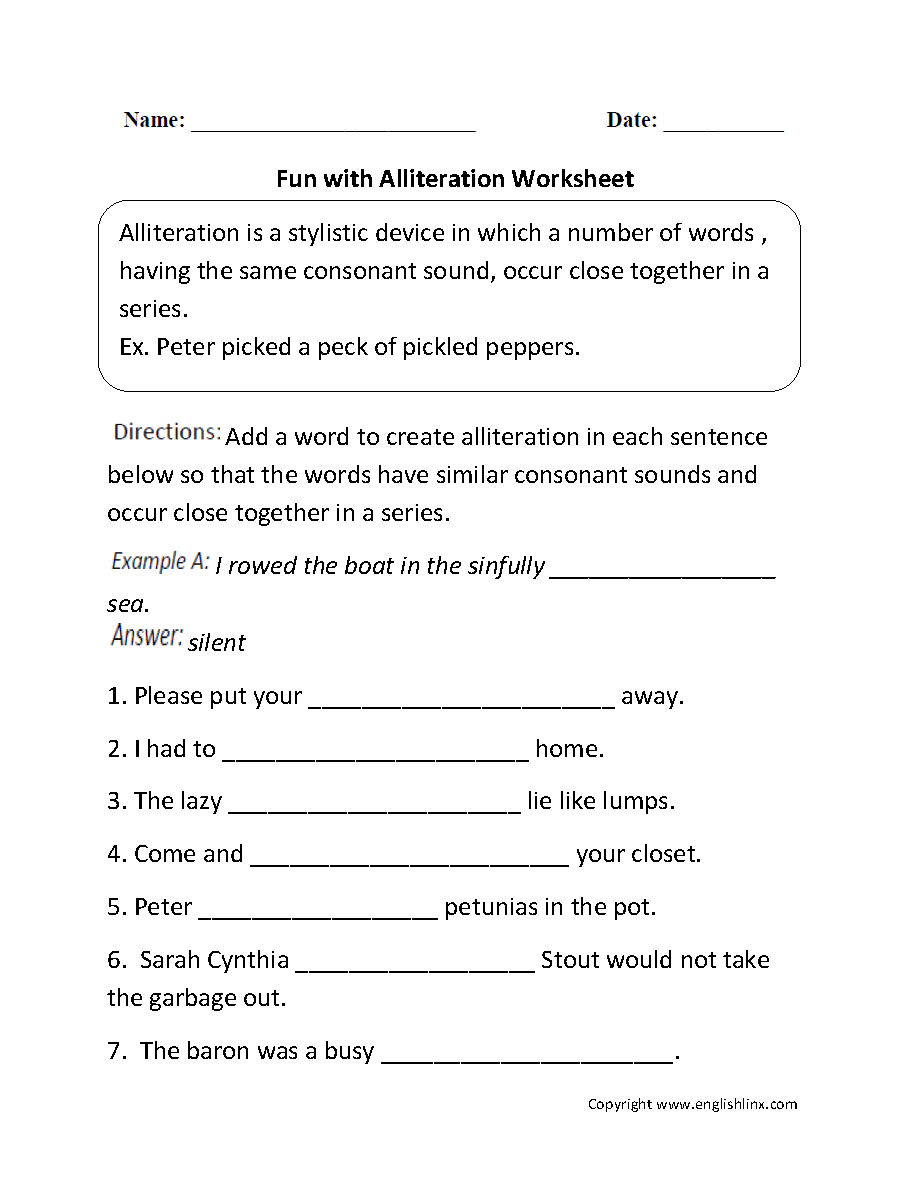 source = englishlinx.com
In a work environment, worksheets keep me organized. They help me keep tabs on my work, structure plans, and manage tasks. By arranging information in a organized and straightforward way, worksheets enable me to rank and address my tasks confidently.
In summary, worksheets are an invaluable resource in various aspects of life. Whether I’m teaching, learning, or working, they offer a useful and productive approach to reaching my targets. With their adaptability and user-friendliness, worksheets are a method that I always ensure is available.