A worksheet is a useful resource for enhancing education and output. Whether I teach, learning, or arranging data, I find that worksheets provide organization and clarity. They divide complex subjects into manageable segments, allowing me to better understand new concepts. When I’m educating, worksheets function as a reference, allowing me to confirm that my pupils grasp the content. I can customize them to suit the particular requirements of my class, focusing on areas where additional work is needed.
convergence insufficiency worksheets
As a student, I use worksheets to solidify what I’ve acquired. They provide a interactive approach, allowing me to apply what I’ve learned and evaluate my grasp. I notice that when I actively engage with the material through a worksheet, the information is retained better. It also helps me pinpoint gaps in my understanding so I can concentrate my efforts more efficiently.
convergence insufficiency worksheets

 source = www.yumpu.com
  source = www.coursehero.com
  source = library.sheffieldchildrens.nhs.uk
  source = www.topworksheets.com
  source = www.pinterest.com
 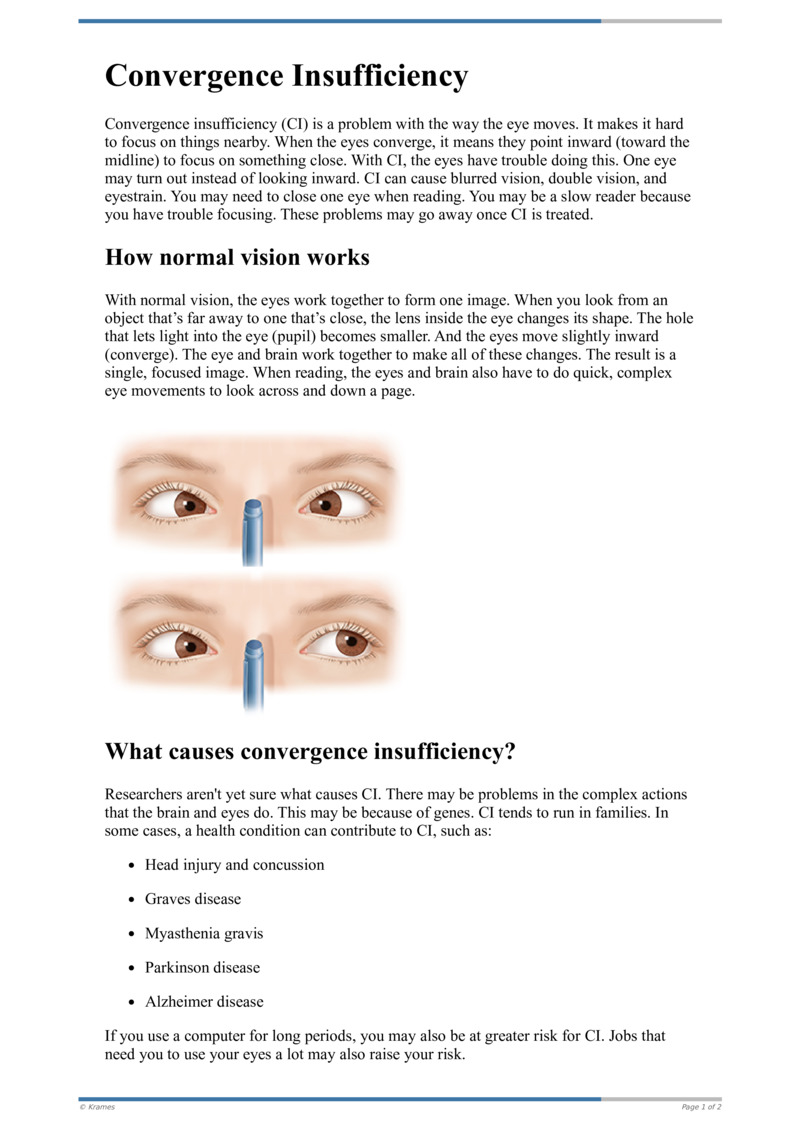 source = www.healthclips.com
 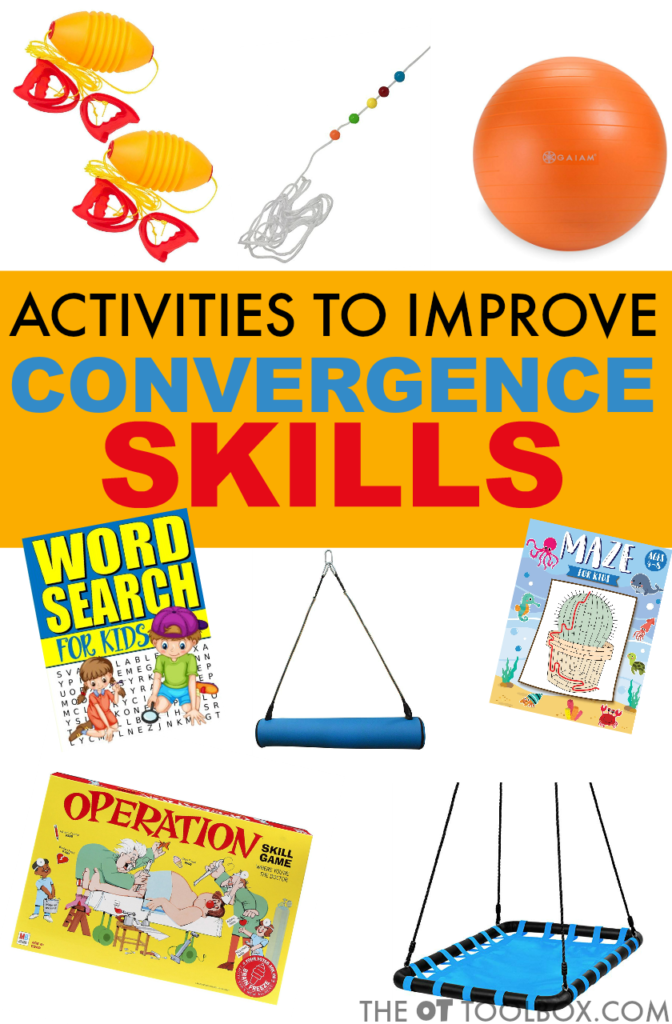 source = www.theottoolbox.com
 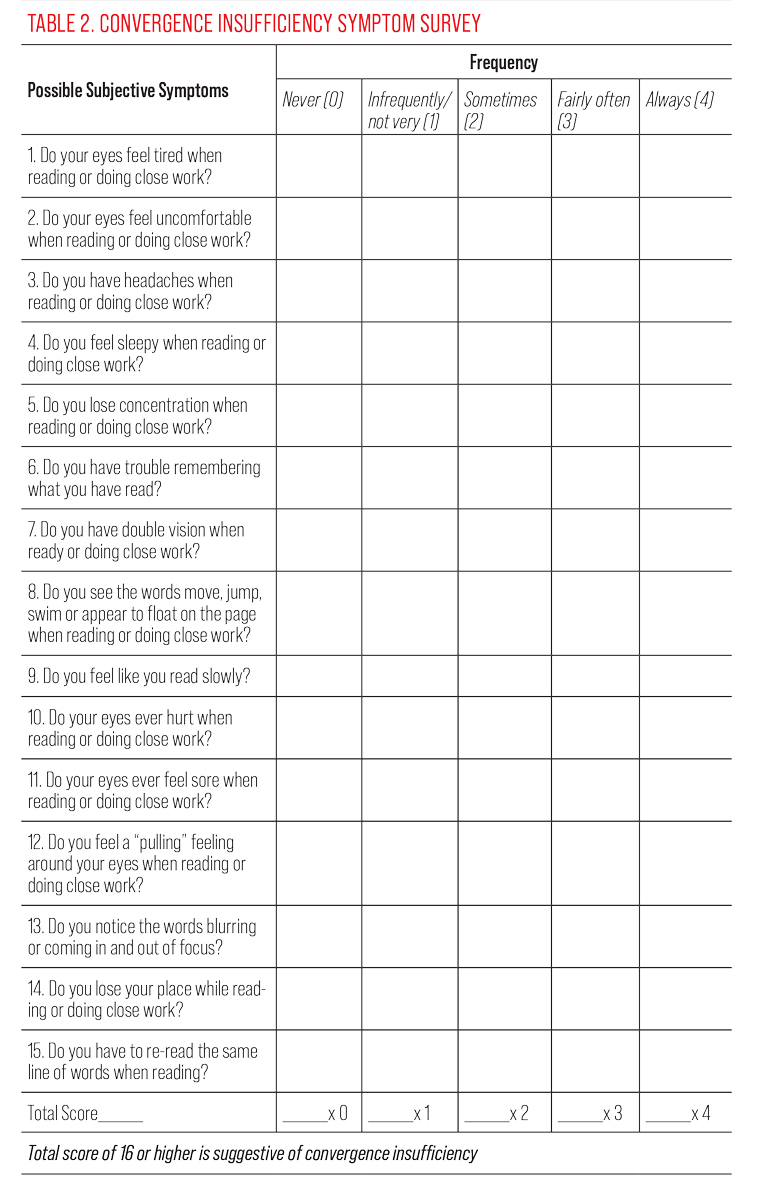 source = www.reviewofoptometry.com
 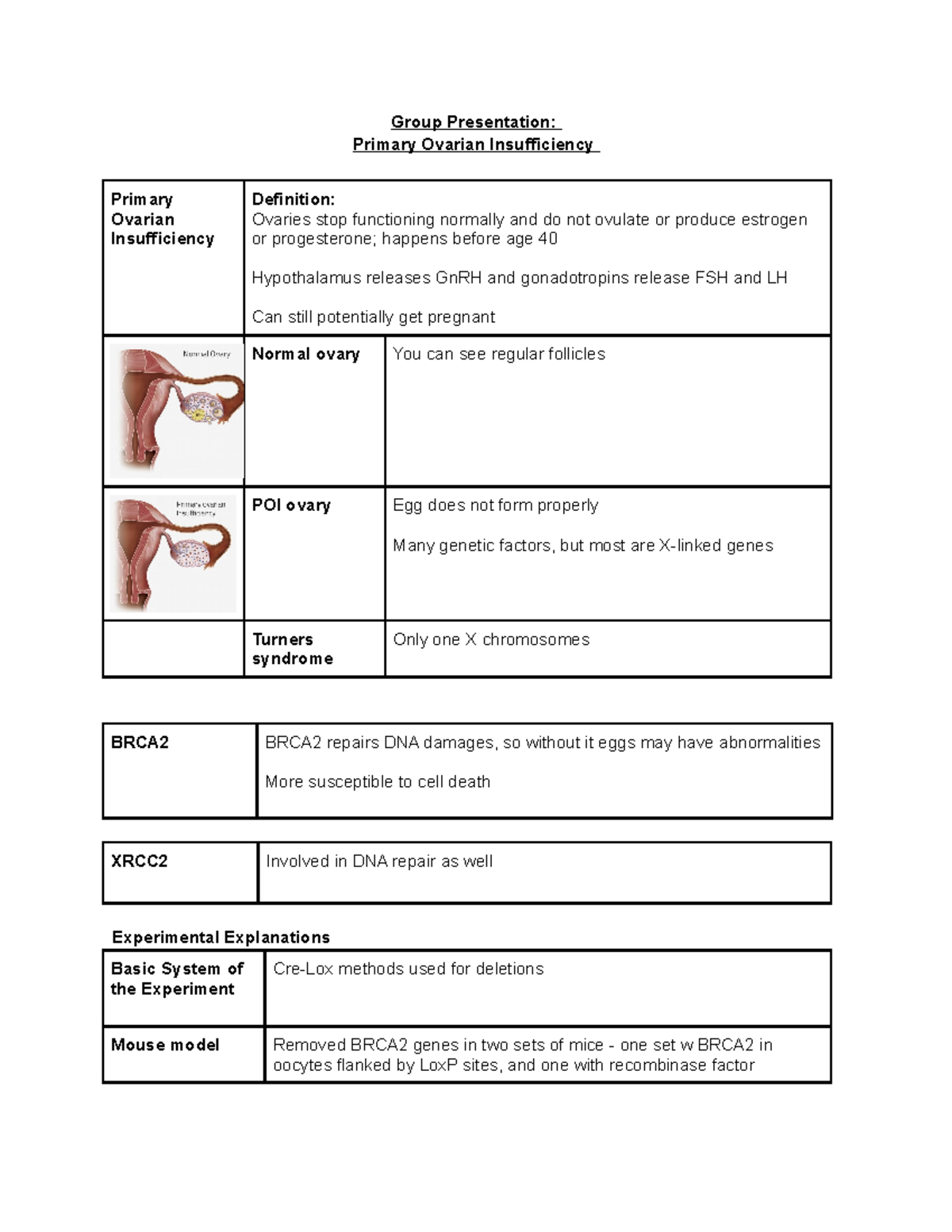 source = www.studocu.com
In a professional setting, worksheets help me stay on track. They allow me to monitor development, arrange tasks, and handle assignments. By arranging information in a concise and straightforward format, worksheets help me order and address my tasks confidently.
Overall, worksheets are an important resource in various aspects of life. Whether I’m teaching, learning, or in a professional setting, they provide a practical and valuable approach to reaching my targets. With their flexibility and simplicity, worksheets are a tool that I always keep within reach.